

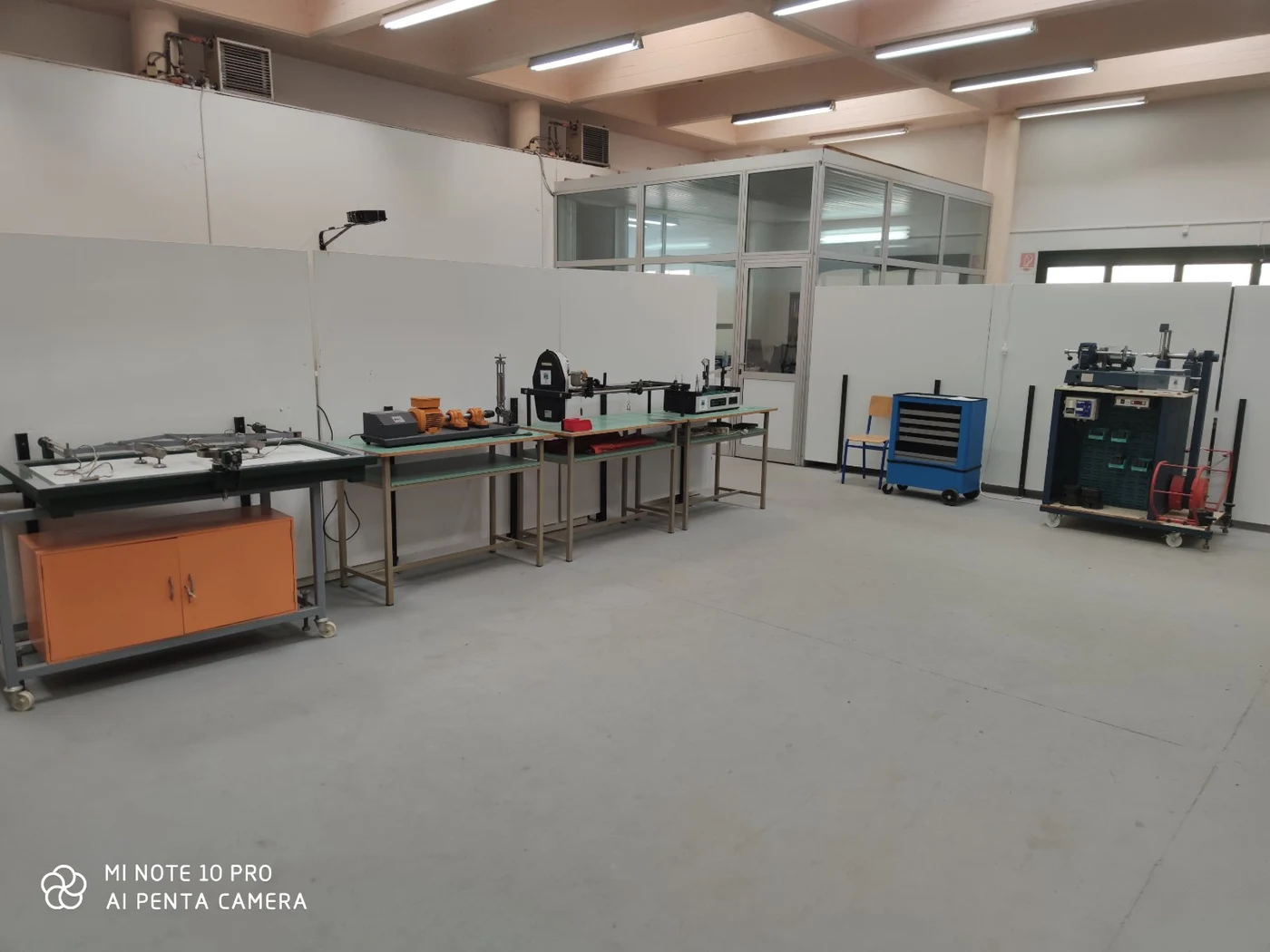
Research in action
Collaborative work with measurable purpose.
European research projects and a separately presented engineering case study.
Current European project
ADAPT4CE
Adaptive Digital Systems for Sustainable Construction and Material Management in the Circular Economy
ADAPT4CE is a Horizon Europe Marie Skłodowska-Curie Staff Exchanges project focused on sustainable deconstruction and material reuse. It combines artificial intelligence, machine learning, additive manufacturing, digital twins, IoT, blockchain and lifecycle assessment to advance circular construction.
The National and Kapodistrian University of Athens coordinates the international consortium.
View the EU project record- Programme
- Horizon Europe · MSCA Staff Exchanges
- Grant agreement
- 101182768
- Coordinator
- National and Kapodistrian University of Athens
- EU contribution
- €1.656 million
Programme, dates, coordinator and EU contribution: European Commission CORDIS record. The research case below is a separate publication, not an ADAPT4CE deliverable.

H2020 · MSCA · RISE
ADDOPTML
Machine-learning-aided optimum design and additive manufacturing of civil structures.
- Grant agreement
- 101007595
- Programme
- H2020-MSCA-RISE-2020
- Period shown on Webnode
- 01 May 2021 – 30 April 2025
The network brings together academic specialists and SMEs to develop and test a machine-learning-aided design-to-manufacturing process. The original project description connects additive manufacturing, recycled consumables and optimised structural elements for transitional structures.
Its listed network spans Belgium, Cyprus, Germany, Greece, Italy, Jordan, the Netherlands and Spain.
Schedule transcribed from Webnode; any subsequent project extension should be checked before publication.
Featured research case
Lightweight components for lunar robotic systems
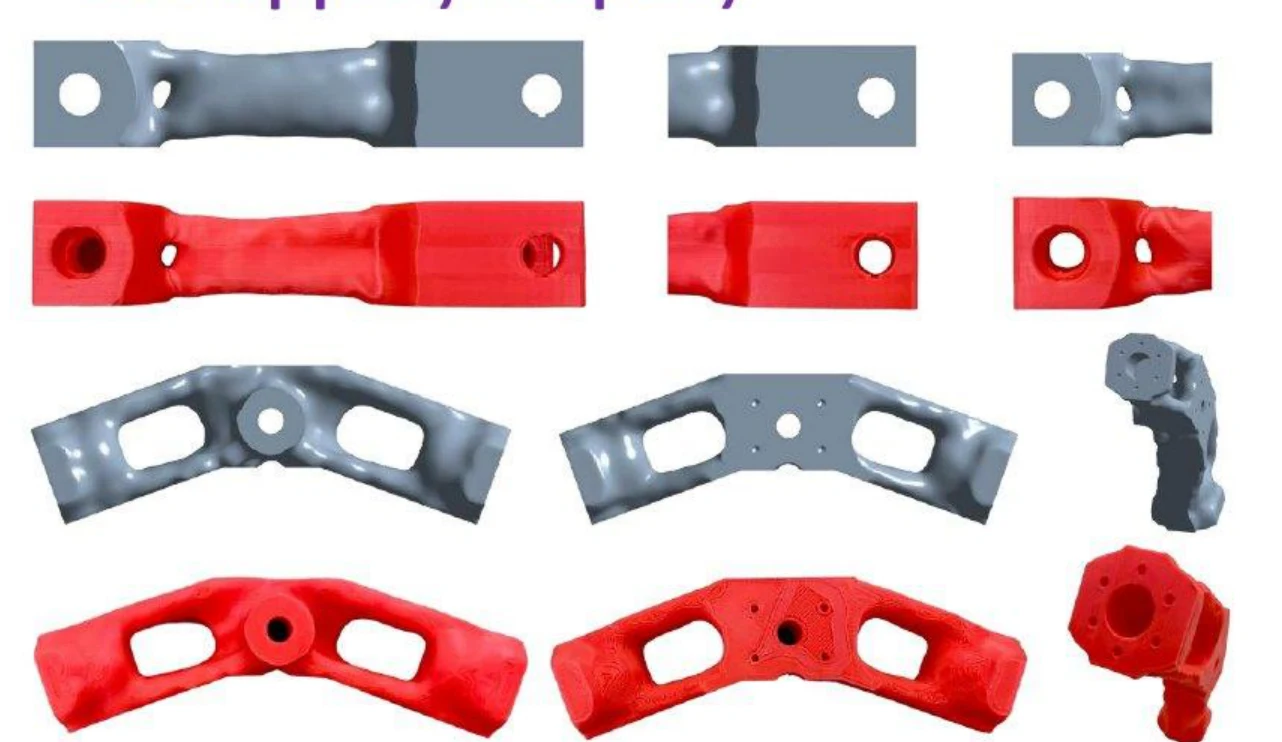
A simulation-driven workflow combined topology optimisation, finite-element verification and additive-manufacturing constraints to develop structural components for the LUVMI-X lunar rover. The resulting designs achieved approximately 50% mass reduction while maintaining structural performance and functional interfaces.
Read the open-access studyFrom research to application
Digital design. Physical verification.
The rover case combines topology optimisation and finite-element verification with polymer prototypes used for manufacturability and assembly assessment. The publication describes further metal manufacturing and mission-environment testing as future work; these prototypes are not presented as flight-qualified hardware.
Read the case study and its scope