

01.1
Nanomaterials & Nanocomposites
Carbon nanotubes, graphene and graphyne; the role of defects and interfaces in composite response.
Scientific illustration from the original research page.Research portfolio
Eleven research directions across three connected domains, with the original research imagery.
Material systems and production methods designed for performance, adaptability and sustainability.
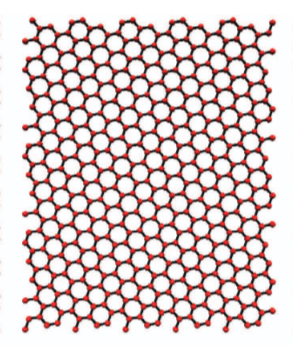
Carbon nanotubes, graphene and graphyne; the role of defects and interfaces in composite response.
Scientific illustration from the original research page.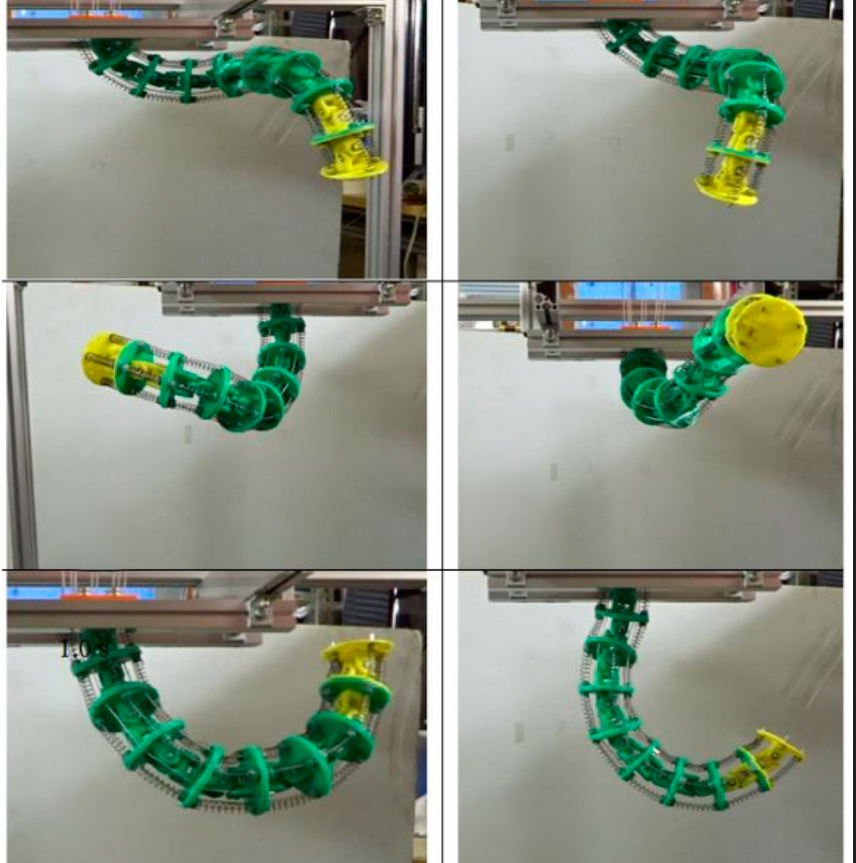
Printing strategies for lightweight 3D/4D structures that adapt to external stimuli.
Shape-morphing structure sequence from the original research page.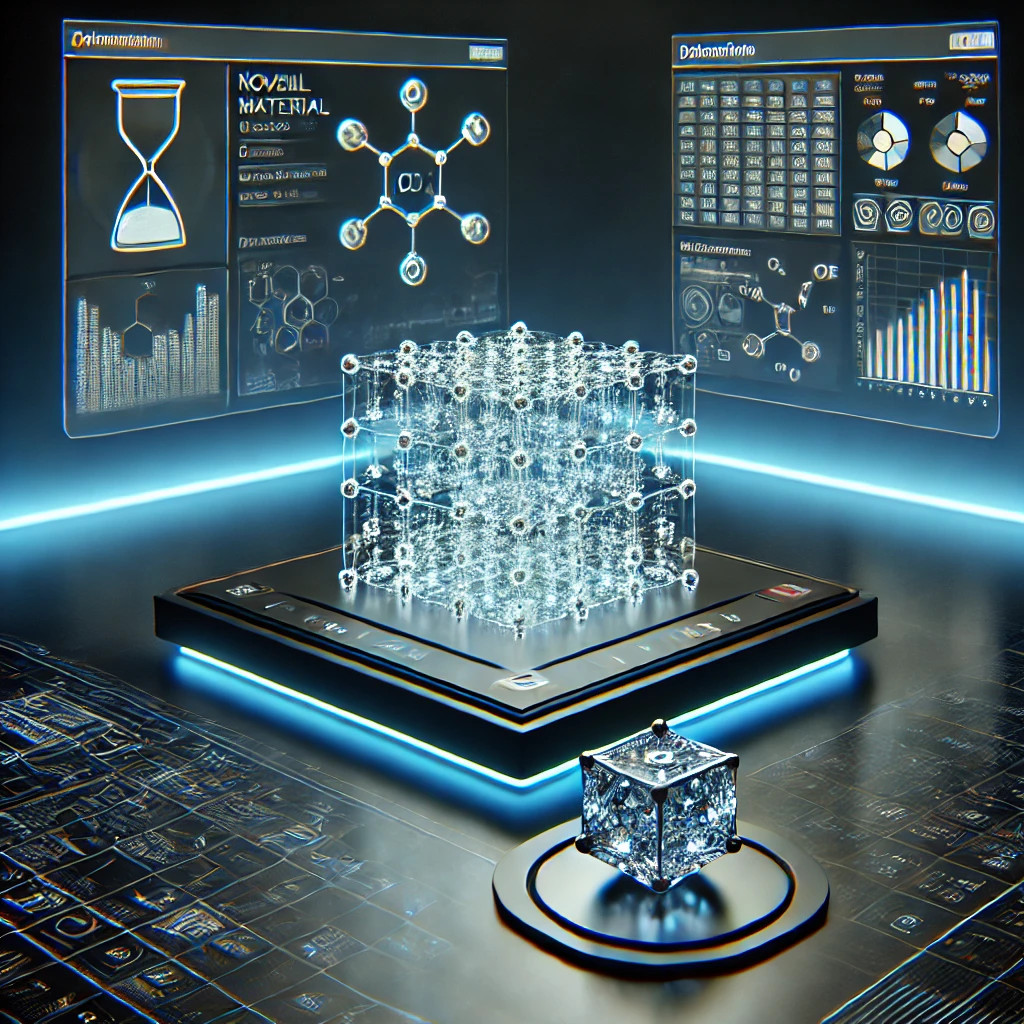
Material systems with enhanced mechanical, thermal and functional properties.
AI-generated conceptual illustration already present on Webnode; not a photograph of LAMSD.Predictive approaches for damage, stability, dynamics and reliability across scales.
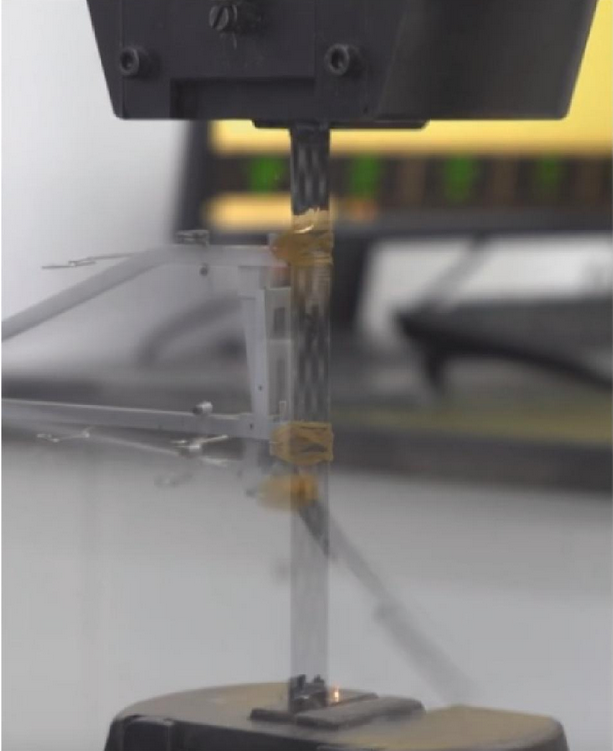
Composite behaviour across scales: damage, failure, buckling and long-term performance.
Testing image used on the original research page; ownership and experiment attribution require confirmation.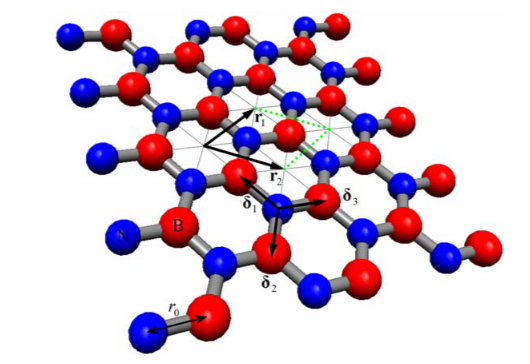
Dynamic models of nanoscale resonators for sensitive mass, pressure and environmental detection.
Molecular-mechanics illustration from the original research page.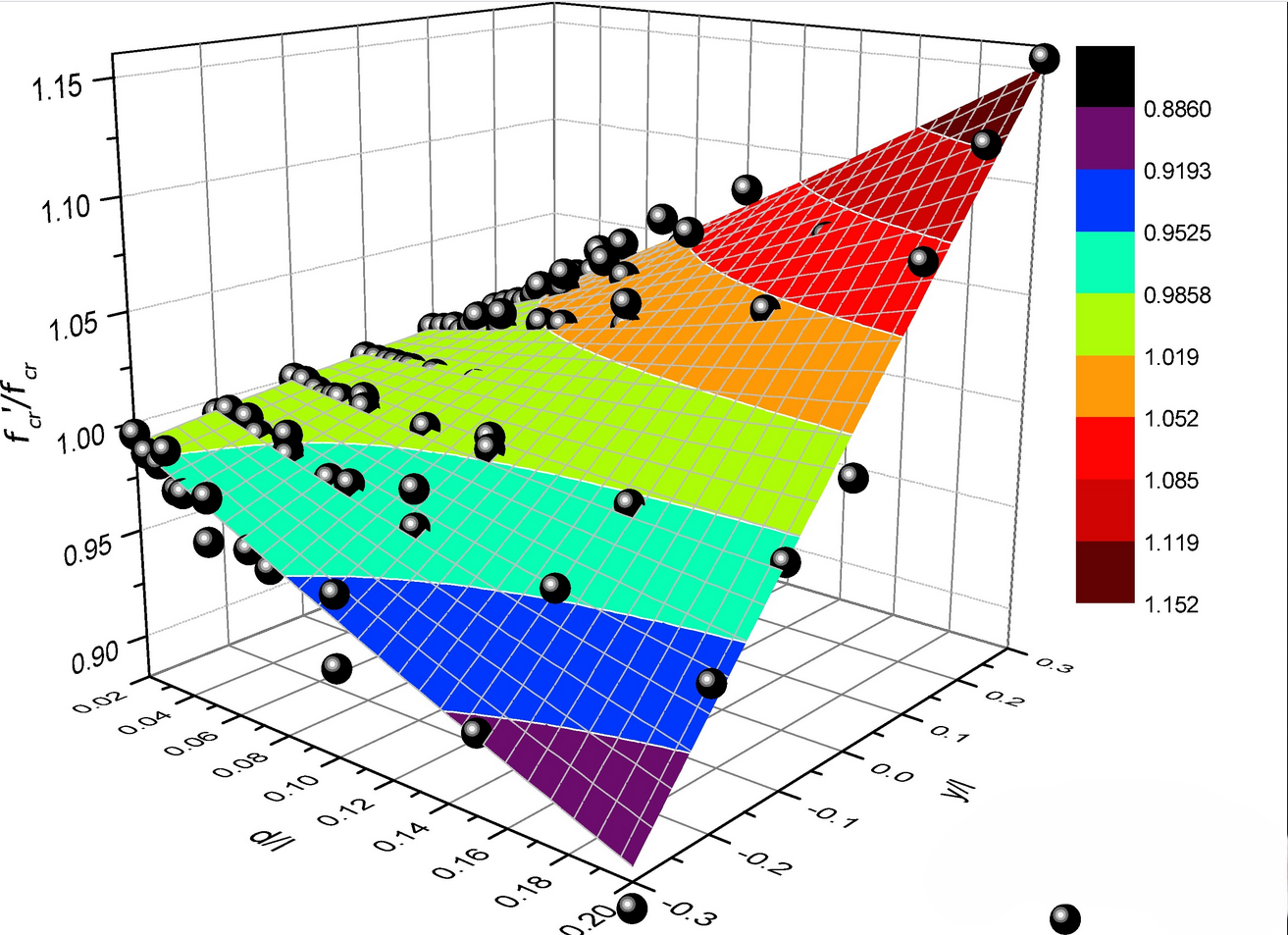
Laminates and nanocomposites under mechanical and hygrothermal loading.
Original plotted scientific result; retained without changing the data or colour scale.Tools that connect high-fidelity mechanics with optimisation and real-time engineering decisions.
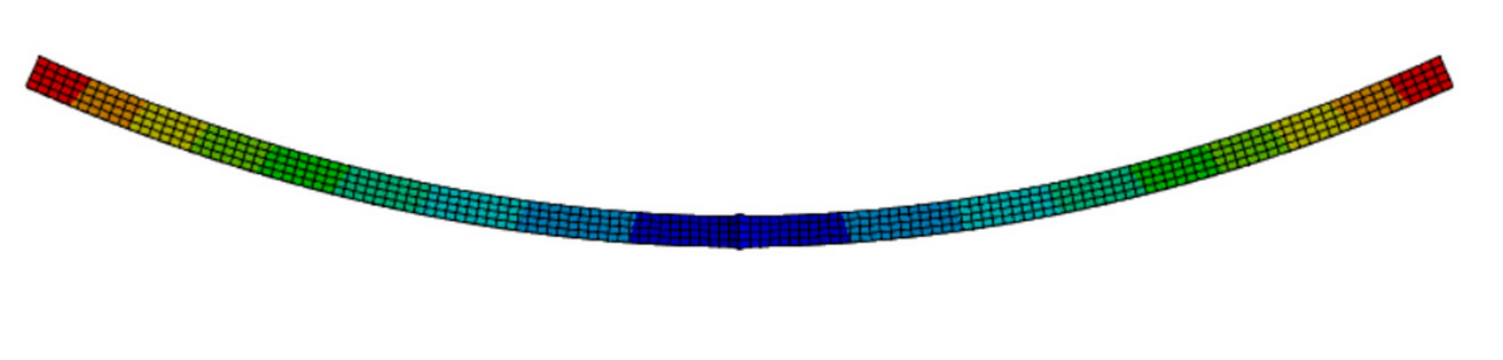
Finite elements, spring-based methods and molecular dynamics within multiscale structural analysis.
Original finite-element shape-morphing result.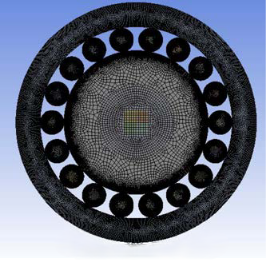
Quantitative design methods connecting structural performance, reliability and quality processes.
Finite-element bearing model from the original research page.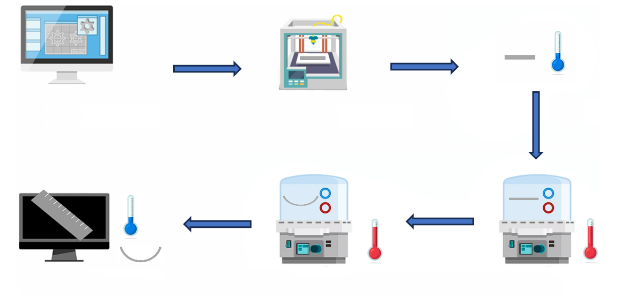
Specialised tools for stress, deformation and fatigue assessment in research and industrial applications.
Original research-workflow diagram.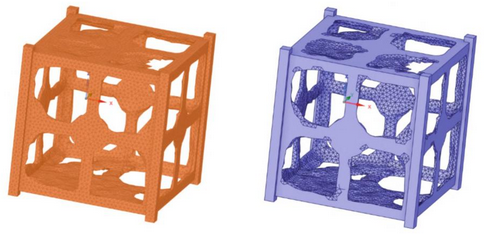
Lightweight, high-performance designs, multifunctional materials and integrated structural systems.
Structural design illustration from the original research page.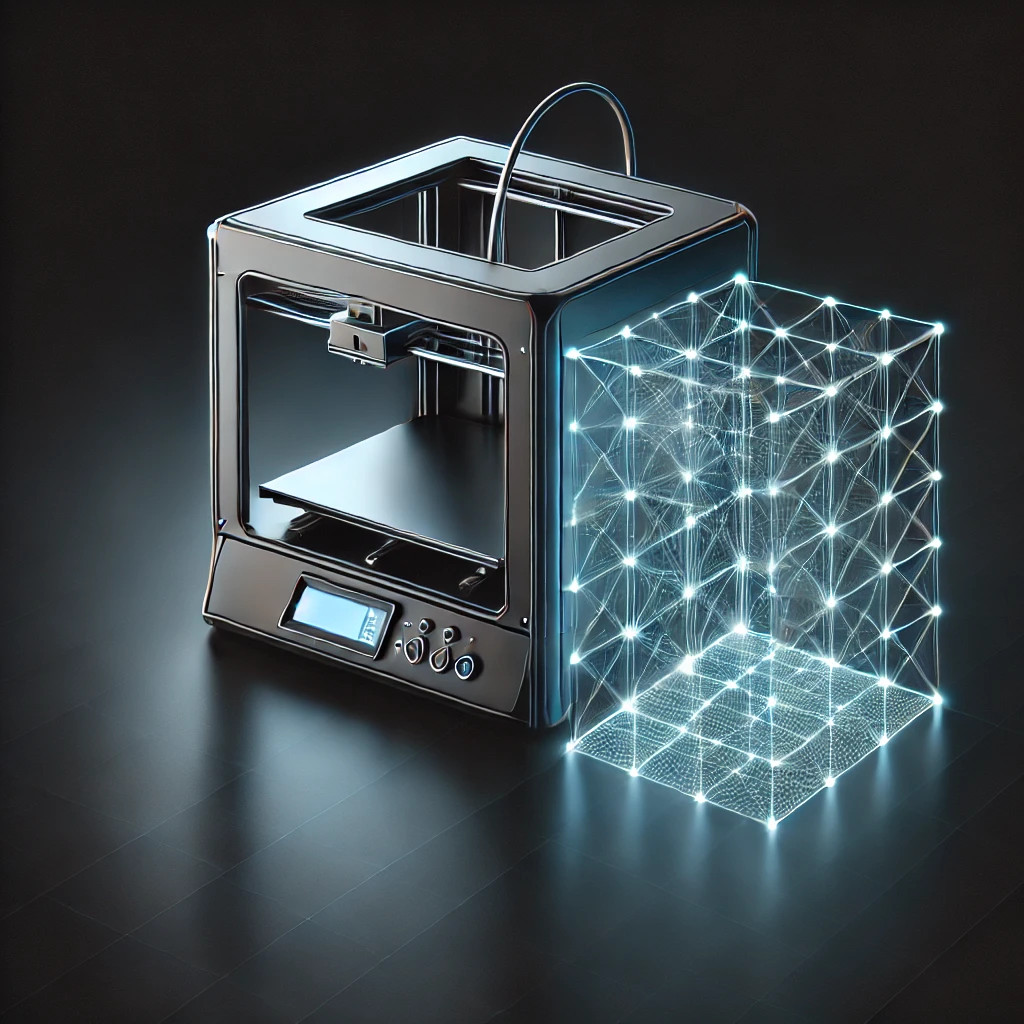
Connecting virtual models and physical systems for monitoring, maintenance and optimisation.
AI-generated conceptual illustration already present on Webnode; not evidence of a live digital-twin installation.Featured research / Adaptive structures
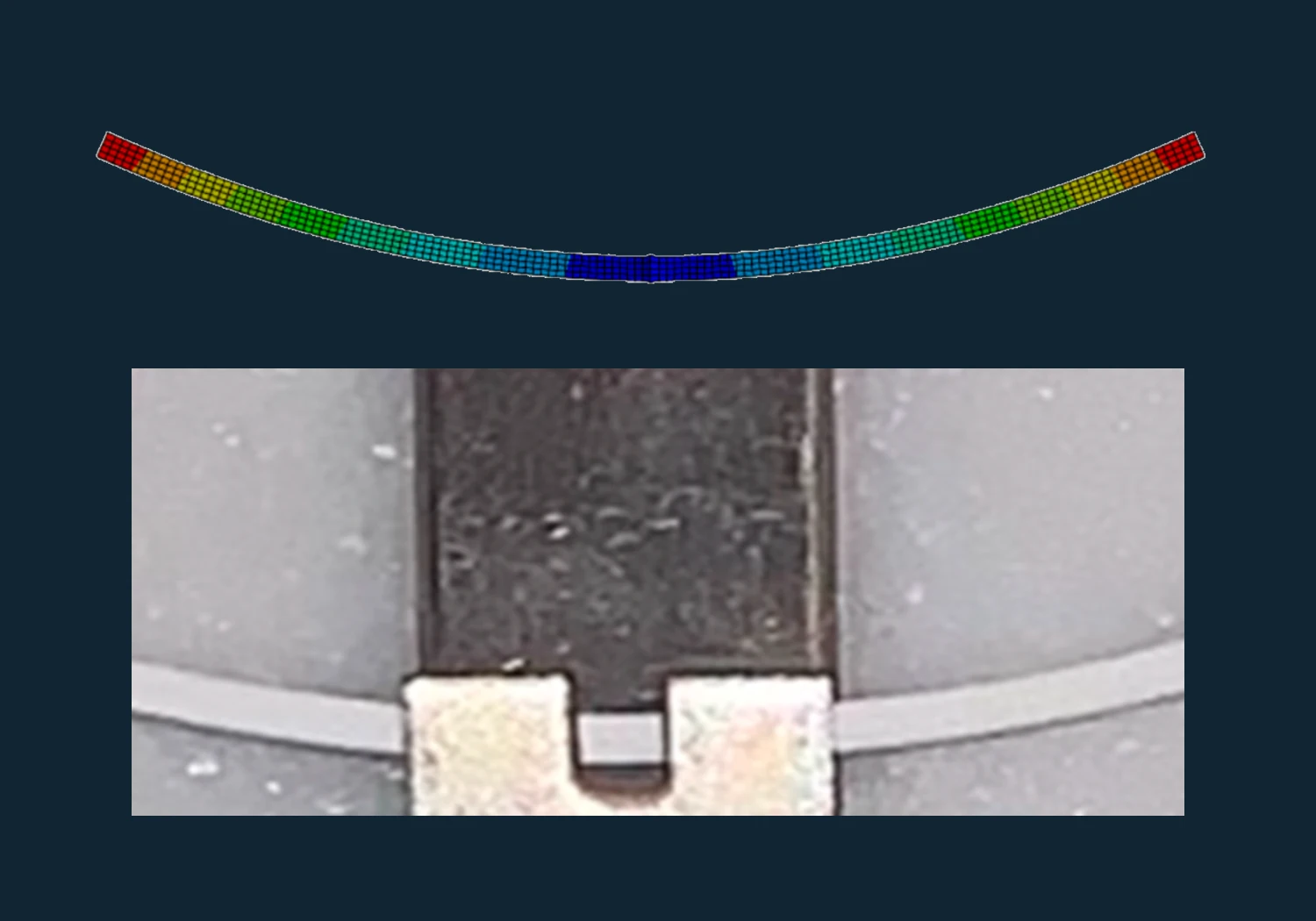
Thermally induced shape morphing is studied through experiments and finite-element modelling. The PLA study links the printed sample, its curved shape and the corresponding numerical representation.
Read the 2024 studyThe 2021 paper introduces 6D printing as a concept combining multi-axis fabrication with stimulus-responsive structures. It is presented here as a research concept, not as a claim that a dedicated 6D printer is installed in the laboratory.
Read the concept paper ↗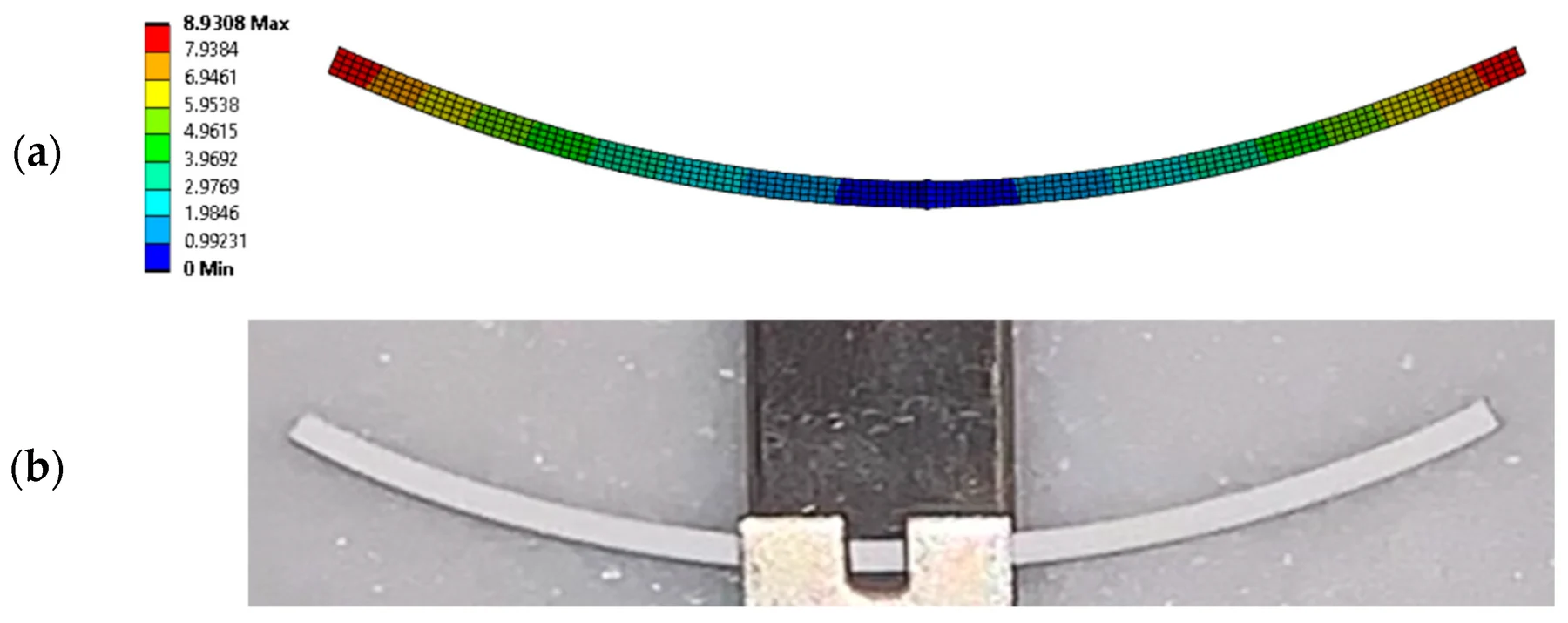 View original figure ↗